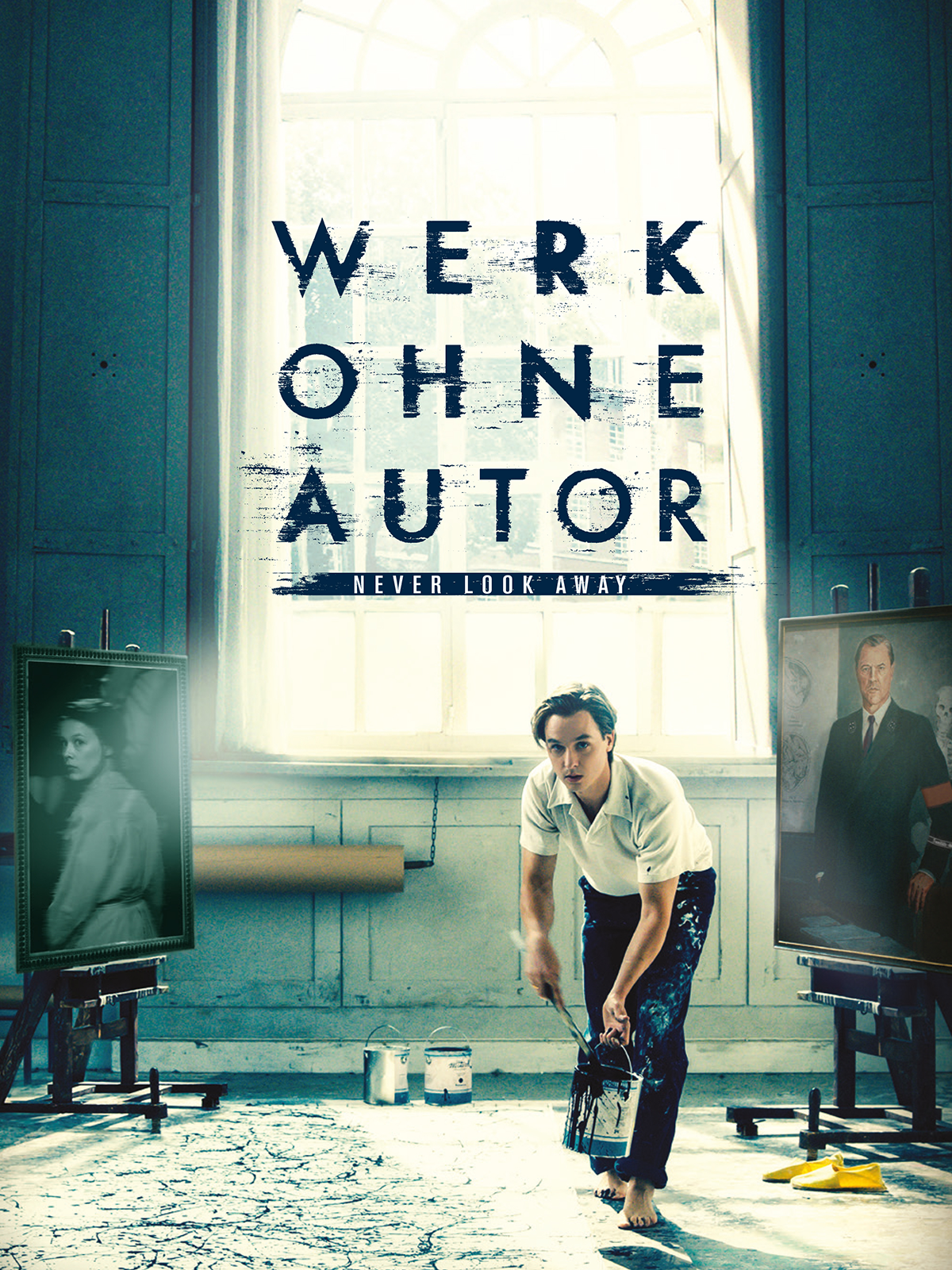
Werk ohne Autor on ARD Mediathek: Donnersmarck's Controversial Film Returns
Florian Henckel von Donnersmarck's monumental film,
Werk ohne Autor (English title:
Never Look Away), has once again captured the attention of German audiences, making a highly anticipated, albeit limited-time, return to the ARD Mediathek. This multi-award-nominated three-hour drama, known for its grand ambitions and significant controversies, offers viewers a unique opportunity to delve into a fictionalized journey inspired by the life of a seminal German artist against the backdrop of 20th-century German history. As the ARD Mediathek often features significant cultural offerings for a limited window, now is the prime moment to experience Donnersmarck's ambitious vision firsthand and form your own opinion on a film that has sparked considerable debate.
A Limited-Time Opportunity: Catching Werk Ohne Autor on ARD Mediathek
For those eager to watch or re-watch this epic drama, the **Werk Ohne Autor Mediathek** availability is crucial. The film is typically made accessible for a period of seven days following its broadcast on ARD. Viewers should check the ARD Mediathek platform directly for the precise dates and times of its current availability. This limited window makes it essential for interested individuals to plan their viewing accordingly.
*
Where to Watch: ARD Mediathek (online streaming platform)
*
Availability: Typically for a seven-day period following a scheduled ARD broadcast. Check the Mediathek for current dates.
*
Duration: Approximately three hours.
*
Cast: The film boasts an impressive ensemble, including
Tom Schilling as the protagonist Kurt Barnert,
Paula Beer as Elisabeth Seeband,
Sebastian Koch as Professor Carl Seeband, and
Saskia Rosendahl as Aunt Elisabeth.
Oliver Masucci and
Lars Eidinger (in a memorable guest role) also deliver strong performances.
*
Director & Screenwriter: Florian Henckel von Donnersmarck (known for *The Lives of Others*).
Experiencing
Werk ohne Autor on the Mediathek allows for a flexible viewing experience, giving audiences the chance to immerse themselves in Donnersmarck's intricate storytelling at their own pace. Given its length and thematic depth, many find a home viewing environment ideal for processing its complex narrative and visual artistry.
Unpacking the Controversy: Historical Depiction and Artistic Grandeur
From its world premiere at the Venice Film Festival,
Werk ohne Autor has been a lightning rod for critical discussion, largely centered around its ambitious scope and, at times, its challenging historical interpretations. Donnersmarck's narrative, while inspired by the life of Gerhard Richter, takes significant artistic liberties to explore universal themes of art, memory, and trauma.
One of the most contentious points raised by critics, particularly highlighted by publications like *kulturnews*, was the perceived equivalence drawn between the atrocities of World War II and the systematic extermination of Jews by Nazi Germany. Critics also took issue with what some described as a "tasteless gas chamber scene" and the "predatory appropriation" of an artist's biography. These criticisms underscore the film's audacity in tackling such sensitive historical periods and its director's determination to push boundaries, even at the risk of misinterpretation or offense.
However, it's crucial to acknowledge the film's equally grand artistic ambitions. Donnersmarck, who spent eight years developing the project, aimed to delve beyond a mere biographical account to explore the very "essence of artistry." He seeks to challenge conventional notions of talent and inspiration, inviting viewers to ponder what truly constitutes art and the profound impact of lived experience on creative expression. This lofty goal, while contributing to the film's perceived "grandiosity" by some, also forms the core of its intellectual intrigue. For a deeper dive into these debates, consider reading
Werk ohne Autor: Unpacking Donnersmarck's Artistry and Backlash.
The Artistic Vision: Crafting a Bildungsroman of an Artist
At its heart,
Werk ohne Autor is a sweeping *Bildungsroman*, following Kurt Barnert from his formative childhood experiences in Nazi Germany through his artistic development in post-war East and West Germany. Donnersmarck wasted no time establishing the narrative's central themes, immediately introducing a six-year-old Kurt (portrayed by Cai Cohrs) to the infamous "Degenerate Art" exhibition in Dresden in 1937. Here, guided by an overbearing exhibition leader (Lars Eidinger in a captivating caricature), young Kurt is exposed to the Nazi regime's aesthetic ideology: "Art comes from ability."
This early scene contrasts sharply with the intoxicating influence of his free-spirited Aunt Elisabeth (Saskia Rosendahl), who embodies a different understanding of art – one rooted in ecstasy, sensory overload, and emotional freedom. Her memorable scene, commanding bus drivers to simultaneously honk their horns in a cacophony of sound, is a visceral representation of the kind of boundless expression the "degenerate artists" sought. The camera circling her in a wild, exhilarating sequence, accompanied by a powerful soundtrack, is a quintessential Donnersmarckian moment, both visually arresting and philosophically charged. This sequence, with its bold stylistic choices and overwhelming sensory experience, immediately signals the director's intent to explore art as an experience that transcends mere technical skill.
The film's visual language is as ambitious as its narrative. Donnersmarck employs lavish camera work, often characterized by sweeping, elaborate tracking shots and intense close-ups that immerse the viewer in Kurt's evolving perspective. The cinematography by Caleb Deschanel (who earned an Oscar nomination for his work) vividly captures the stark contrasts between the repressive artistic climate of the Third Reich and East Germany, and the burgeoning freedom of expression in the West. This artistic journey, deeply intertwined with the historical trauma and triumphs of Germany, attempts to illustrate how personal suffering and national history can shape an artist's unique voice.
Werk ohne Autor: Examining Its Historical Depictions and Grand Ambitions provides further context on these elements.
Beyond the Screen: Engaging with the Themes and Criticism
Watching
Werk ohne Autor is not merely a passive experience; it's an invitation to engage with complex questions about art, history, memory, and morality. Donnersmarck presents a protagonist who grapples with the ghosts of his past and the political machinations of his present, ultimately finding catharsis and truth through his art.
For viewers accessing the **Werk Ohne Autor Mediathek** offering, here are some tips for a richer experience:
*
Prepare for the Length: At three hours, it's a significant time commitment. Ensure you have ample time to watch it without interruptions to fully appreciate its unfolding narrative.
*
Reflect on the Artistic Process: Pay attention to Kurt's journey from a young boy influenced by his aunt to a renowned artist. How do his experiences, both personal and historical, manifest in his work?
*
Consider the Controversies: While watching, critically reflect on the points of contention raised by critics. Do you find the historical depictions problematic, or do they serve a broader artistic purpose? Forming your own informed opinion is part of the film's intended engagement.
*
Discuss and Share: After viewing, consider discussing the film with friends or family. Its themes are ripe for debate and provide ample food for thought.
Conclusion
Florian Henckel von Donnersmarck's
Werk ohne Autor remains a significant, if divisive, piece of contemporary German cinema. Its re-availability on the ARD Mediathek offers a valuable chance for both newcomers and those who wish to revisit its intricate tapestry of art, history, and personal destiny. Whether you find yourself captivated by its artistic grandeur or challenged by its historical interpretations, one thing is certain:
Werk ohne Autor is a film designed to provoke thought and conversation, cementing its place as a powerful and enduring cinematic work. Don't miss this opportunity to witness Donnersmarck's controversial masterpiece before it leaves the Mediathek.